
- About
- Mission, values and drivers
- Dixons Academies Trust
- Our academy day
- Uniform
- Curriculum
- Attendance
- Leadership and our staff
- School meals
- Remote learning
- Careers education
- Performance tables and results
- Policies and documents
- My Child at School App
- Ofsted
- Safeguarding
- Governance
- Train to teach with the Pioneers Partnership SCITT
- Research School
- GDPR and privacy
Safeguarding
There are three main objectives to safeguarding at our academy:
To keep all students and staff safe, both in and out of school.
To make sure that students feel safe in school and can be the best version of themselves.
To encourage students to talk openly about any problems so staff can help.
This is achieved in the following ways:
Every person at Dixons Ashton Academy (staff, student or visitor) is responsible for keeping themselves and others safe.
Students should understand how to keep themselves and others safe inside and outside of school, including when online.
There is a dedicated safeguarding and pastoral team in school to help all students and staff keep safe.
Everyone at our academy takes responsibility for reporting any concerns to family members and staff at school.
Key contacts:
Designated Safeguarding and Prevent Lead (DSL): Mrs Rachel Gill
Deputy Designated Safeguarding Lead: Miss Davies (first point of contact for students
Deputy Designated Safeguarding Lead: Miss Hughes
Additional Safeguarding Lead: Mrs Dines
Mental health
Our senior mental health lead is Rachel Gill. Please view our mental health statement and offers of further support below.
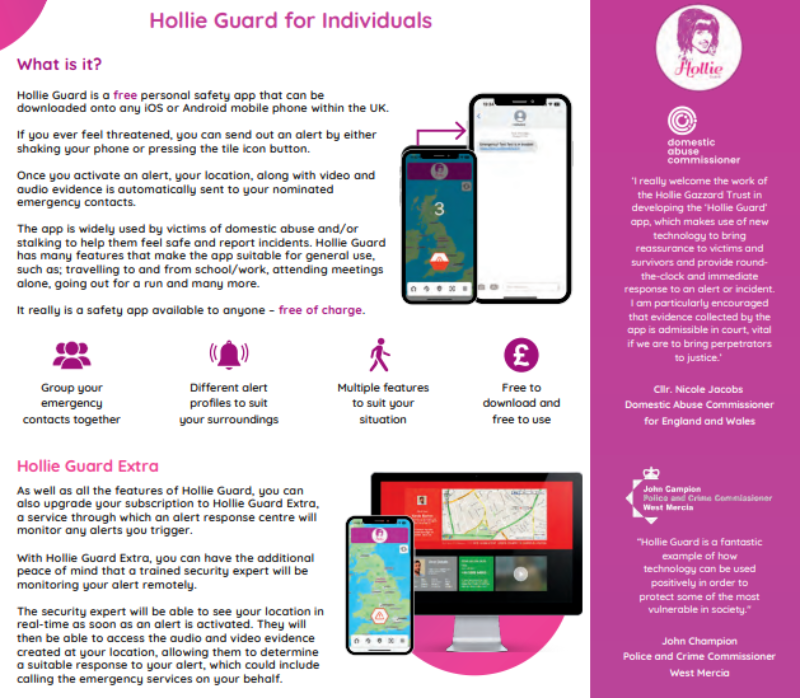
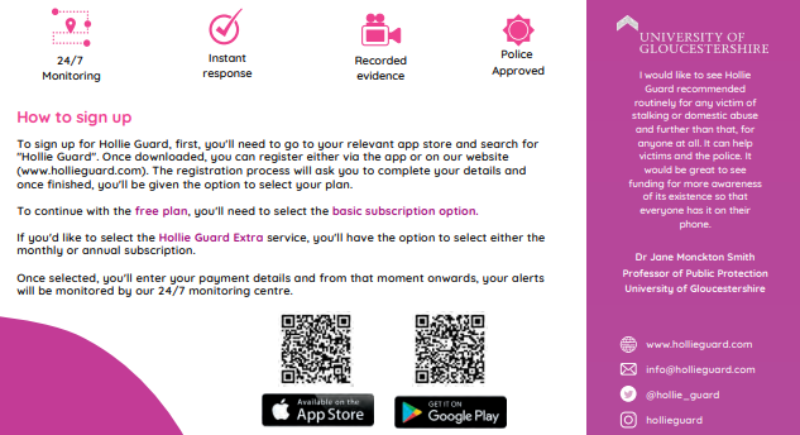
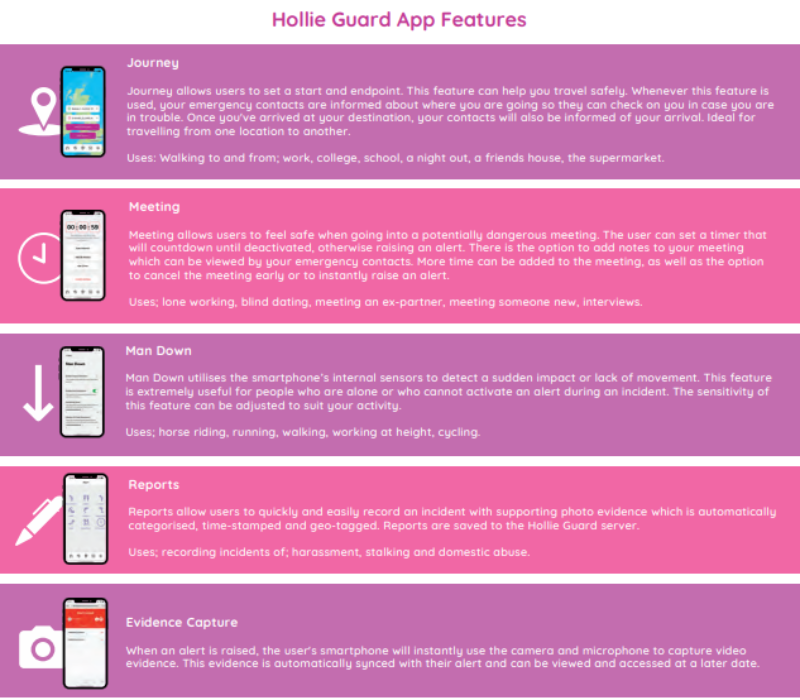
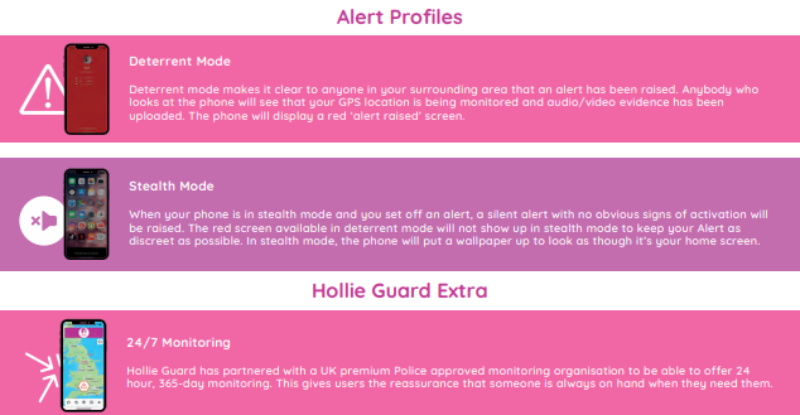
Online safety
Access information on the below websites to help keep your child safe online:
- Parents and carers | CEOP Education
- Keep Children Safe Online: Information, advice, support - Internet Matters
- Comprehensive child safety guide | NSPCC
- Online and internet safety for kids
- Parent Zone | At the heart of digital family life
- Parents & carers | Childnet
- Advice - Lucy Faithfull Foundation
- Enrol
- Tech Tips Live: TikTok
Radicalisation and extremism
Radicalisation is the process by which a person comes to support terrorism and extremist ideologies. If you are worried someone close to you is becoming radicalised act early and seek help. The sooner you reach out, the quicker the person you care about can be protected from being groomed and exploited by extremists.
Police forces across the country have specially trained Prevent officers who work with professionals in health, education, local authorities and charities, as well as faith and community groups to help vulnerable people move away from extremism. They are here to listen and offer help and advice. Receiving support is voluntary.
Friends and family are best placed to spot the signs, so trust your instincts and share your concerns in confidence.
They can help if you act early. You won’t be wasting police time and you won’t ruin lives, but you might save them.
Prevent Lead: Mrs Rachel Gill
Below you can find parent guides to online safety, safeguarding newsletters for families and other supporting documents and policies.